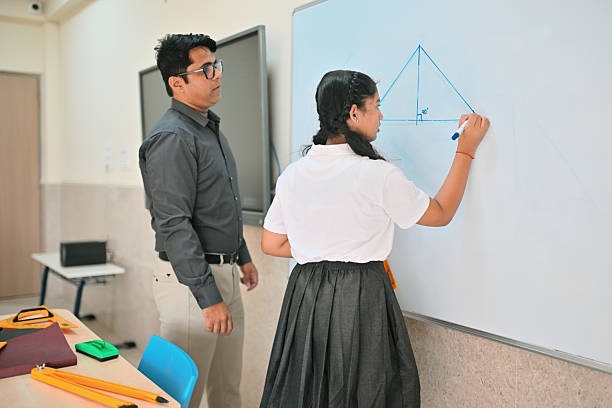
Schools are continually refining their approach to inclusive learning as they work to meet the needs of diverse student populations. Educators recognize that students learn in different ways, and many require individually tailored strategies to thrive academically and socially. Well-designed educational plans provide a pathway for meeting these needs with clarity and purpose. When implemented with consistency, the personalized strategies within an individualized plan become even more effective, especially when reinforced with strong IEP Support that helps maintain structure and alignment across all learning settings.
Why Individualized Learning Plans Matter
A customized plan offers students a roadmap for progress that considers their abilities, challenges, and long-term goals. Academic benchmarks, specialized instructional methods, and targeted accommodations are carefully chosen to support meaningful growth. Teachers value these plans because they provide actionable steps that guide daily instruction while reducing barriers that may otherwise impede success. Students gain a sense of stability when expectations remain clear and achievable. This confidence grows when their learning environment includes reliable IEP Support to ensure that each accommodation is consistently applied.
Adapting Instruction to Meet Student Needs
Effective instruction requires flexibility and creativity. Educators must adapt lesson plans, visual materials, and hands-on activities to accommodate different learning preferences. For some students, this may involve simplified instructions or structured routines that provide clarity. Others may benefit from sensory supports, guided practice, or real-life application of concepts. The goal is to design lessons that engage the student actively and reduce frustration. When teachers reinforce these methods with dependable IEP Support, instruction becomes more predictable and supportive, allowing students to engage more fully in the learning process.
The Role of Assessment in Individualized Learning
Assessment serves as a critical tool in shaping future instruction. Teachers gather information through quizzes, classroom observations, informal conversations, performance tasks, and behavior tracking. These insights help identify patterns and reveal areas where students may need increased assistance or more challenging goals. The data collected influences the revision of objectives as students progress through their educational journey. Regular assessment becomes more meaningful when educators integrate feedback with structured IEP Support that emphasizes continuous improvement and aligned instructional decisions.
Supporting Classroom Behavior and Social Skills
Academic success often depends on the ability to navigate social expectations and manage behavior effectively. Many students benefit from structured routines, behavior charts, positive reinforcement, or guided social-skills lessons. These supports help students develop self-regulation, cooperation, and communication skills. When students feel socially connected and emotionally safe, they are more prepared to participate in academic tasks. Classroom strategies become stronger when educators combine them with consistent IEP Support, ensuring that expectations remain clear and that reinforcement is applied uniformly.
Encouraging Family Participation
Families contribute valuable insights into a student’s learning habits, preferences, and challenges. When educators listen to these perspectives, they gain a clearer understanding of how to tailor strategies effectively. Regular meetings, progress updates, and open communication promote trust and collaboration. Families appreciate when they feel included in decision-making processes related to their child’s academic path. This partnership becomes more meaningful when supported by organized IEP Support that strengthens communication and maintains alignment between home and school environments.
Professional Collaboration Among School Staff
Schools depend on collaboration among teachers, specialists, administrators, and support staff to ensure the success of individualized plans. Each professional brings unique expertise that contributes to a comprehensive understanding of student needs. Regular team meetings, shared documentation, and coordinated service delivery help ensure that students experience consistency across all instructional settings. When professionals work together effectively, they create a cohesive environment where strategies reinforce one another. This teamwork becomes even more valuable when integrated with reliable IEP Support to promote continuity and stability.
Conclusion
Inclusive education relies on thoughtful planning, collaboration, and consistency. When teachers, families, and specialists work together, students receive the structured guidance they need to grow academically and socially. The strength of individualized planning lies in its ability to adapt and respond to changing needs while maintaining a focus on long-term progress. With dependable IEP Support reinforcing each step of the process, students experience greater clarity, confidence, and success within the classroom.